
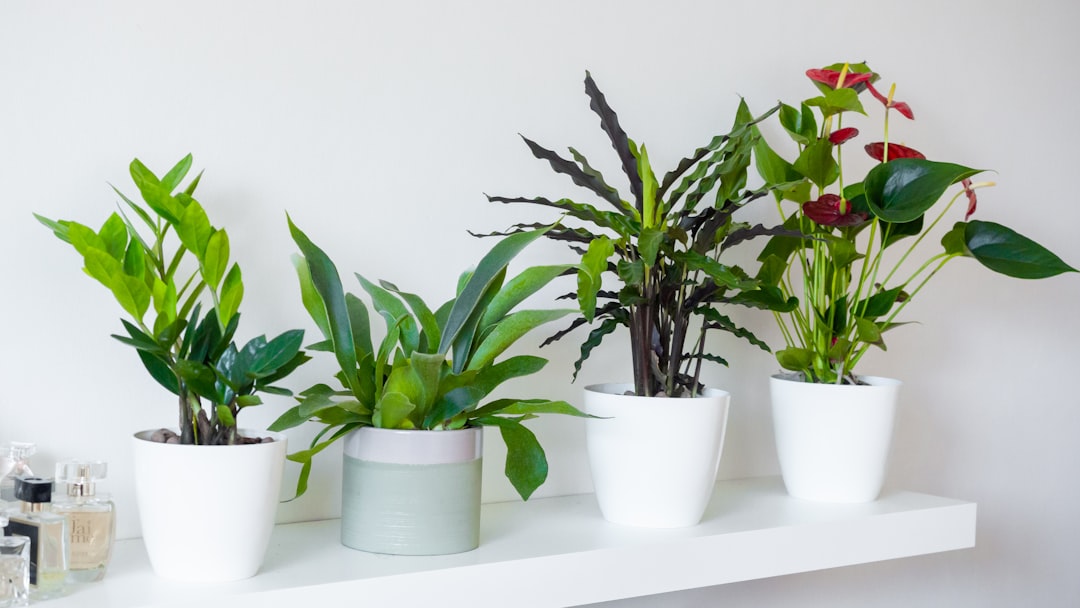
Kill-proof plants for people who forget to water, live in low light, or travel a lot: here are nine foolproof indoor plants that thrive on neglect and still look great.
Snake Plant, The Ultimate Low-Light Survivor
Snake plant tolerates low light and erratic watering, which makes it perfect for busy homes or apartments with shady corners. Its stiff, upright leaves store water so you can skip watering for weeks without consequences.
Place it in indirect light and use a well-draining potting mix, water only when the top inch of soil is dry, and avoid soggy soil. It also purifies air, making it a functional choice for bedrooms and offices.
Pro Tip: Rotate the pot every few months so the plant grows evenly toward the light source.
Pothos, The Fast-Rooting, Easy-Trim Vine
Pothos tolerates low light and thrives with irregular care, so it is ideal for shelves and hanging baskets. It roots quickly from cuttings, so you can propagate extras for other rooms or friends.
Allow the topsoil to dry between waterings, and prune long vines to keep the plant tidy and encourage fuller growth. Use a bright spot with indirect light for faster growth, but it will survive in dimmer conditions.
Quick Tip: Snip 4 to 6 inches of vine and place stems in water to start new plants within days.
ZZ Plant, The Drought-Tolerant Glossy Winner
ZZ plant is nearly indestructible, with waxy leaves that hold water and resist pests. This is a top choice when you want a classy, low-maintenance focal plant that needs very little light.
Water only when the soil is dry to the touch and avoid small pots that retain moisture. If the leaves start yellowing, cut back on water and check that the pot has drainage holes.
Expert Insight: Use a loose, well-draining mix and a pot with drainage to prevent root rot after overwatering.
Spider Plant, The Air-Purifying, Pet-Friendly Classic
Spider plant thrives with casual watering and bright indirect light, and it produces baby offshoots you can replant. It tolerates less-than-perfect conditions and bounces back from mild neglect.
Keep soil slightly moist but not waterlogged, and give it occasional fertilizer during the growing season to encourage baby plantlets. Trim brown tips caused by fluoride or tap water by using filtered or rain water if possible.
Insider Tip: Hang it in a basket so the plantlets can cascade freely, and snip off pups to propagate quickly.
Peace Lily, The Low-Light Bloomer
Peace lily rewards infrequent care with glossy leaves and white blooms, even in low to medium light. It will droop dramatically when thirsty, which makes it an obvious reminder to water, and it perks up fast after a drink.
Keep soil consistently but lightly moist, allow the top half inch to dry between waterings, and place it away from direct afternoon sun which can scorch the leaves. Remove spent blooms to encourage new ones and to keep the plant tidy.
Heads Up: Peace lily is toxic to pets if ingested, so place it out of reach or pick a pet-safe alternative if needed.
Succulents, The Waterwise Group for Sunny Spots
Succulents store water in their leaves so they thrive with infrequent watering and bright light. They are perfect for windowsills and small containers where you want a stylish, low-effort display.
Use a gritty, fast-draining soil and a pot with drainage, and water thoroughly but rarely, allowing soil to dry completely between waterings. Rotate pots for even growth and remove any mushy leaves which indicate overwatering.
Worth Knowing: Give succulents strong light for several hours a day for compact, colorful growth rather than stretched, leggy stems.
Cast Iron Plant, Tough and Shade-Loving
Cast iron plant lives up to its name by tolerating low light, dust, and irregular watering, which makes it ideal for dim rooms and hallways. Its dark, leathery leaves stay attractive with minimal fuss and occasional dusting.
Water sparingly, about once every two to three weeks depending on humidity, and avoid direct sun which can scorch leaves. This plant responds well to being slightly crowded in its pot, so you do not need to repot often.
Pro Tip: Wipe leaves with a damp cloth every few months to keep pores clear and reduce pest risk.
Chinese Evergreen, Colorful and Carefree
Chinese evergreen offers patterned foliage and tolerates low light and variable watering, making it perfect for beginners who want color without the effort. It grows well in medium to low light and will slow growth when conditions are dim.
Water when the top inch of soil dries and avoid cold drafts which can damage leaves. Fertilize lightly during spring and summer to maintain variegation, and prune damaged leaves to keep the plant looking fresh.
Quick Tip: For brighter leaf color, move the plant to a spot with brighter indirect light for a few hours per day.
Rubber Plant, Sturdy and Sculptural
Rubber plant tolerates low to medium light and bounces back from missed waterings, offering bold glossy leaves that make a strong visual statement. It adapts to indoor conditions and grows into a dramatic focal piece with minimal pruning.
Water when the top inch dries and avoid overwatering which causes yellow leaves. Wipe large leaves occasionally to remove dust, which helps the plant photosynthesize more efficiently and look its best.
Expert Insight: Prune at a node to control height and encourage branching, then place pruned stems in water to propagate new plants.
Which One Will You Try First?
Pick one based on light levels and pet safety, start simple with a snake plant or pothos if you are unsure, and expand once you gain confidence tending to low-maintenance greenery. Which of these nine will you bring home this month, and what spot are you planning for it?